Beyond the Mainstream: How Indie Films See Sex Workers

‘Welcome to the Rileys’ and ‘Starlet’ are not flawless examples of how to depict sex workers in film, but they are a step in the right direction. With Hollywood’s repetitive use of sex workers as one-dimensional cardboard cut-outs with a single purpose, the indie genre often gives sex workers, both supporting characters and protagonists, expressed thoughts and feelings, making them fleshed out and human.

This guest post by Nicole Elwell appears as part of our theme week on Representations of Sex Workers.

It’s no secret that Hollywood has issues with accurate representations of the daily life it tries to capture. Society is a film’s subject and audience, but that fact doesn’t always guarantee accuracy. It’s also no secret that certain aspects of society are captured more often and more thoroughly than others, creating a majority that’s up on screen and a minority that shakes their heads from their theater seats. Representation isn’t just about numbers and how often one gets screen time, but it also concerns the details of that screen time. In the case of representation of women in Hollywood, it’s not always the quantity but rather the quality. A film could have numerous female characters on screen and still create a qualitative representation issue.

This ties in with how Hollywood often portrays female sex workers. They exceed in quantity and fail in quality. Despite my lack of knowledge for all Hollywood films that depict sex workers and of actual experiences of a sex worker in modern American society, it’s easy to question and criticize the repetitive formula most sex workers are expected to exist under: be untrustworthy, manipulative, grotesque, or perhaps–worst of all–simply nothing. Most sex workers are written to be as impactful to the story as an out-of-focus desk lamp. They may appear for a single moment, create obstacles for the protagonist, or function as décor or pure entertainment for other characters. If they do serve a greater purpose to the story, it’s usually to flesh out the protagonist or motivate them in some way. With these limits as to what a sex worker can be in Hollywood, one can wonder if this serves as a subtle way of telling society this is how we should view sex workers in general. After all, society is a film’s subject and audience.

The independent film industry is often seen as the antithesis of Hollywood: with no major studios to answer to, the ever-present concern of profit is not always the motivation behind a film’s production. But does the indie genre really use its freedom to break barriers and create a more accurate picture of otherwise inaccurate and potentially damaging stereotypes? Well, yes and no. The independent industry is far from a haven of precise and meaningful stories, but considering that how good an indie film is will usually determine how many people see it, most truly terrible indie films stay buried. Much like Hollywood, the indie genre’s relationship with sex workers is hit or miss. With a far greater number of hits, the indie genre at times feels like the best hope for better representation of sex workers in film.

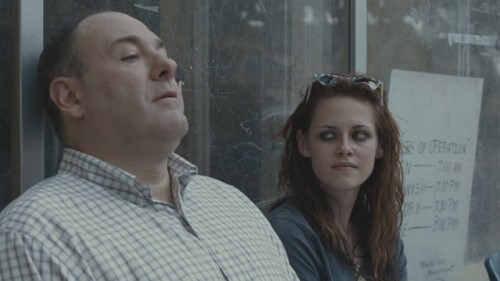
The film Welcome to the Rileys follows Doug Riley, a man distraught with martial problems and grief over the death of his daughter eight years ago. On a business trip to New Orleans, Doug befriends a prostitute named Mallory and finds new meaning in his life and a surrogate daughter through his growing friendship with her.

James Gandolfini and Kristen Stewart in Welcome to the Rileys


Doug’s wife eventually comes to New Orleans and sees the same opportunities in Mallory, so they all begin to live together. Despite the Rileys’ offers to help Mallory leave her life of prostitution, she repeatedly refuses and, fed up with the lack of acceptance, runs away only to be arrested and bailed out by Doug. The two have a confrontation, and Mallory asserts that she’s “not somebody’s little girl. It’s too late for that.” Doug comes to accept this and heads back home with his wife. This film could have easily been yet another example of how sex workers are catalysts for a male protagonist’s development, and for a large part of the movie that is the case. With Mallory’s refusal to submit to this cliché, the film becomes a hit rather than a miss because it dismisses the same formula that it used for the majority of the movie, while also giving Mallory her own character and declaring that prostitution is not something all women are looking to be saved from.

The film Starlet (available to stream on Netflix) follows the unique and charmingly awkward friendship between 21-year-old Jane and 85-year-old Sadie. After crossing paths with Sadie at a garage sale, Jane becomes increasingly interested in Sadie’s life, mostly to escape the constant drugs and apathy that fills her own. The majority of the film focuses on forming their bond while also exemplifying a generation gap that makes the friendship both refreshing and difficult.

Dree Hemingway and Besedka Johnson in Starlet


About 50 minutes into the film, the suspicious daily lives of Jane and her friends are brought to life: they are all a part of the porn industry. What Starlet does right is holding off the fact that Jane does porn. Rather, the film makes sure the audience understands that above all else, Jane is a person and shouldn’t be defined by her job. The film establishes raw character before anything else, which serves to not only dismiss multiple stereotypes associated with sex workers in film, but also establish the notion that sex workers are not defined by their professions. The film doesn’t judge or punish Jane, and in its execution encourages its audience to the same. Starlet is an innovative rejection of society’s obsession with careers by asserting that profession doesn’t trump character.

Welcome to the Rileys and Starlet are not flawless examples of how to depict sex workers in film, but they are a step in the right direction. With Hollywood’s repetitive use of sex workers as one-dimensional cardboard cut-outs with a single purpose, the indie genre often gives sex workers, both supporting characters and protagonists, expressed thoughts and feelings, making them fleshed out and human. With the ever-changing and diverse nature of humans, it’s virtually impossible to ever capture a perfect and flawless representation of any type of person, but Hollywood could learn a thing or two about representation from the independent film industry.


Nicole Elwell is a sophomore at the University of Baltimore, majoring in Psychology and minoring in Pop Culture. She hopes to bring psychology and feminism into a future career in writing for the movies.
 

‘For a Good Time, Call …’: A Modern Rom Com About Friendship

But ‘For a Good Time, Call…’ doesn’t think of itself as better than other films with sex workers as their protagonists, with Lauren using Katie’s virginity against her as a metaphor for her insecurity when they have their first major fight, a prevalent attitude that buys into virgins being lesser versions of sex-having humans. As Vivian in ‘Pretty Woman’ resents Edward for making her “feel cheap,” Lauren’s treatment of her housemate brings up feelings of worthlessness for Katie. “You make me feel like I’ll never be good enough for you,” she cries. It seems we can’t win either way: women are slut- and prude-shamed no matter our real or perceived bedroom habits.

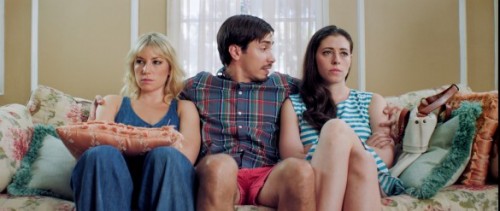
Ari Graynor, Justin Long, and Lauren Miller in For a Good Time, Call ...
Ari Graynor, Justin Long, and Lauren Miller in For a Good Time, Call …


This cross-post by Scarlett Harris was previously published at Filmme Fatales and appears as part of our theme week on Representations of Sex Workers.

Sex workers get a bum rap in most aspects of society. In April 2013, publisher Mia Freedman and author of The Secret Diary of a Call Girl, Brooke Magnanti, butted heads about the use of the word “prostitute” and whether it’s a valid career choice for our daughters on Aussie talk show Q&A; the murder of sex worker Tracy Connelly in Melbourne in July sparked protestations as to why her death wasn’t given as much attention as, say, white, middle-class Irish immigrant beauty Jill Meagher’s, also occurring in Melbourne; and we still stigmatise the exchange of sex for money despite it being one of the oldest occupations in the world and, to my mind, a necessary one.

Many pop cultural representations of sex workers tend to play into the notions that they need to be “saved” or are less than: Leaving Las Vegas, Lovelace, Pretty Woman. One that shines a refreshingly progressive and nonchalant light on sex work is 2012’s For a Good Time, Call…starring Ari Graynor and Lauren Miller (who also cowrote the effort).

College enemies Katie (Graynor) and Lauren (Miller) are forced to move in together by their mutual gay bestie, Jesse (played by Justin Long), after a series of unfortunate events sees neither one being able to afford to live alone in the Big Apple. When Lauren discovers Katie pays the bills by working for a phone sex line, she decides to help her make it into a viable small business, and before long Lauren’s in on it, too.

Lauren Miller in For a Good Time, Call ...
Lauren Miller in For a Good Time, Call …


While the roommates and their friends don’t bat an eyelid at their supposedly sordid occupation—Jesse wants to be involved, Katie meets her sweet, unassuming boyfriend via the hotline, and a prospective employer of Lauren’s applauds her for her newfound laidback demeanor—not everyone is so impressed. Lauren’s WASPy parents are mortified she ditched (read: was fired from) her long-time publishing gig in order to “listen to guys jack off,” as her father puts it.

Not to stoop to their level, but phone sex is probably the most banal of all possible sex work avenues to go down (pardon the pun!); big bucks can be made from any location without mandatory sex or nudity. Talk about a low-risk, high return investment! If anything, Lauren’s parents should be proud of their daughter’s entrepreneurial skills and her ability to turn a profit in a hostile economy, not slut-shaming her based on very little information. (Granted, the dildos on the coffee table and the g-string bunting strewn across the lounge room as the revelation is made probably don’t lend themselves to acceptance.)

If they looked beneath the surface they’d see that Lauren’s sexy, loudmouthed pole-dancing roommate who once peed in their daughter’s car (“It was a graduation present!”) has actually never had sex. And that the seemingly successful career woman was unhappy in her “boring,” passionless relationship and uninspiring publishing gig. The differences that once saw Lauren and Katie clash in college now bring them closer together in an alternate version of the heteronormative rom-com, where female friendship reigns supreme. Quite a contrast from the hooker sex-worker-with-a-heart-of-gold-who-needs-saving-by/from-a-man trope of the above mentioned Pretty Woman, Lovelace, etc.

For a Good Time, Call ...
For a Good Time, Call …


But For a Good Time, Call… doesn’t think of itself as better than other films with sex workers as their protagonists, with Lauren using Katie’s virginity against her as a metaphor for her insecurity when they have their first major fight, a prevalent attitude that buys into virgins being lesser versions of sex-having humans. As Vivian in Pretty Woman resents Edward for making her “feel cheap,” Lauren’s treatment of her housemate brings up feelings of worthlessness for Katie. “You make me feel like I’ll never be good enough for you,” she cries. It seems we can’t win either way: women are slut- and prude-shamed no matter our real or perceived bedroom habits.

Above all, For a Good Time, Call… is a rom com about best friends; screw the menz. Unlike in the above mentioned sex worker movie cache, men are not the moral of this love story.


Scarlett Harris is a Melbourne, Australia-based freelance writer and blogger at The Early Bird Catches the Worm (soon to be undergoing a revamp; stay tuned!).


Bitch Flicks’ Weekly Picks

Check out what we’ve been reading this week–and let us know what you’ve been reading/writing in the comments!

recommended-red-714x300-1


Black Film Theory: Fighting the Illusions of White Supremacy in Cinematic Narration – Part Two by Andre Seewood at Shadow and Act

New Film “Obvious Child” is Much More Than a Romantic Comedy About Abortion by Gabrielle Moss at Bitch Media

Sundance: Dear White People Gets Their Attention by Jada Yuan at Vulture

Facebook COO Sheryl Sandberg’s ‘Lean In’ Scores Movie Deal by Rebecca Ford at The Hollywood Reporter

L&O: SVU by Melissa McEwan at Shakesville

Why 2014 Should Be The Year We Talk About Abortion on TV by Laura Stampler at TIME

Heroines of Cinema: Where Are The Leading Roles for Black Actresses Over 50? by Matthew Hammett Knott at Indiewire

Un-feisty women on film by Kathryn Bromwich at Dazed

Iranian-American Actress Gets Fed Up With Hollywood’s Racism by Jamilah King at Colorlines

Sundance 2014 Coverage at RogerEbert.com

6 reasons female nudity can be powerful by Soraya Chemaly at Salon

TV: Six More Makers Docs to Air on PBS This Summer by Inkoo Kang at Women and Hollywood

Athena Film Festival: February 6 – 9 in New York City


What have you been reading/writing this week? Tell us in the comments!


‘August: Osage County’ and What It Means to Be a “Strong” Woman in America

The strength of ‘Osage’ is that it never once sentimentalizes women’s relationships with one another. It does not allow for trite Hollywood portrayals of women as somehow less violent, less complex, or less serious than men. ‘August: Osage County’ is an odd sort of respite for those of us who don’t relate to stories of quirky, privileged, white girls from Brooklyn. The women of ‘Osage’ would destroy ‘Girls’ Hannah Horvath with a word and look. For me, it’s a kind of comfort to see these steely women on screen.

August: Osage County. Carloads of fun!
This article by Lisa Knisely was originally published on Bitch. Read more feminist film reviews at Bitch.

August: Osage County has garnered mostly lukewarm reviews. This is somewhat of a surprise: the movie is based on the Pulitzer-winning play by Tracy Letts and the film’s cast is packed with talented actors. Although both Meryl Streep and Julia Roberts were nominated for Golden Globes for their powerful performances, both of them walked away from the award ceremony last Sunday night empty-handed.

But then, this is a movie that is, unambiguously, about women. August: Osage County is about morally flawed, sometimes cruel, and often unlikable women.

And that’s what makes August: Osage County good.

At its essence, the film is about Julia Roberts’ character, Barbara Weston, and her struggle to both claim and reject her identity as a “strong woman.” She inherits her strength from her mother, Violet (Meryl Streep), and it’s a mixture of involuntary responsibility for others and a hardness necessary for survival. At one point midway through the film, Barbara and her two sisters (Julianne Nicholson and Juliette Lewis) sit together discussing their mother. Ivy, the reserved middle sister played by Nicholson, distances herself from affiliation with the rest of the Weston clan by claiming that family is simply a genetic accident of cells. Despite this bit of wishful thinking on Ivy’s part, we see clearly throughout the film that this is far from true. August: Osage County hammers home the idea that our upbringing shapes us no matter how much we may want to escape our complex relationships with our less-than-perfect mothers. The film is deeply evocative of how the familial, social, and physical landscapes of our childhoods leave indelible marks on our adult identities.

Film poster for August: Osage County


In his review for the L.A. Times, Kenneth Turan writes that the film “does nothing but disappoint,” comparing it to “that branch of reality TV where dysfunctional characters… make a public display of their wretched lives.” The problem with the film, according to Turan, is that its high melodrama doesn’t make the audience care about the characters, but instead makes the audience feel trapped.

But, this, I think, is the point. The experience of watching the film is stifling and emotionally difficult, much like the experience of growing up in a dysfunctional, addiction-fueled family like the one we see on the screen. If Turan feels like a voyeur looking in on the “wretched lives” of the Weston family, other viewers of the film will recognize, perhaps with too much familiarity, the uncanny mixture of very dark humor and gut-wrenching trauma at the heart of Weston family life. In the tradition of Faulkner and McCullers, this is a story that holds no punches.

Like Turan, New York Times’ critic A.O. Scott reviewed the film poorly, though he was slightly less negative in his review, writing that it lacked “fresh insight into family relations, human psychology or life on the Plains.” Randy Shulman also gave it an unfavorable review claiming, “The film has one electrifying scene, in which a husband (Chris Cooper) takes his bitchy, critical wife (Margo Martindale) to task. It’s a bracing moment that, for an instant, jolts us out of our lethargy. Had the entire film been on this level of engagement, August: Osage County might have been one of the year’s best films.”

Reading Shulman’s opinion struck me. That same moment in the film was my least favorite scene. I was, indeed, jolted by the scene that Shulman lauds, thinking it seemed too easy in its moral righteousness. It was at that moment of Osage that most of the men in the film (played by Chris Cooper, Sam Shepard, Ewan McGregor, and Benedict Cumberbatch) suddenly seemed to be the innocent and heroic victims of a pack of soul-devouring, child-eating, Gorgon harpies from the hilly plains of Oklahoma. This struck me as strangely out of tune with the rest of the film, which walked the line between making viewers simultaneously despise and sympathize with the women characters who forcefully drive its plot.

The strength of Osage is that it never once sentimentalizes women’s relationships with one another. It does not allow for trite Hollywood portrayals of women as somehow less violent, less complex, or less serious than men. August: Osage County is an odd sort of respite for those of us who don’t relate to stories of quirky, privileged, white girls from Brooklyn. The women of Osage would destroy Girls’ Hannah Horvath with a word and look. For me, it’s a kind of comfort to see these steely women on screen.

The women of August: Osage County looking mightly unlikable.


Despite its relative strengths, though, the film has one glaring failing: its treatment of race. Actress Misty Upham plays Johnna Monevata, a Native American woman hired at the start of the film to take care of the cancer-stricken, pill-addicted, racist Violet. That Violet is raw and unflinching in her racism against Native Americans isn’t the problem, as this seems realistically in accord with her character. What is an issue though is that the film’s attempt to deal with Native-White race relations in Oklahoma comes off hollow and under-developed. While she was a central figure in the original play, in the film, we never get to know Johnna beyond the fact that she can bake good pies.

While most of the narrative is so adept at portraying the mixture of intimacy and violence in the Weston household, the relationship between Johnna and the rest of the characters is flat. Toward the very end of the film, a disoriented and distraught Violet seeks solace and comfort from Johnna. This scene could have been a striking commentary on the way that people of color are often compelled within racist social structures to provide emotional labor and physical care for white people when their own kin will not. If this was the intended subtext of Johnna’s presence in the story, her character ultimately registers more like a problematic aside to the “real” action of the white characters in the film. This is really a missed opportunity for a film that is otherwise so successful at highlighting the complexities of being a strong woman from the Plains.


Dr. Lisa C. Knisely is a freelance writer and an Assistant Professor of the Liberal Arts in Portland, Ore.  


Seed & Spark: Rape as a MacGuffin: The Hollywood Cop Out

But why are stories of female characters taking aggressive or assertive stances allowed to happen only after they have been victimized? In men’s revenge stories, oftentimes a woman has been killed off and he sets out to even the score. In a female revenge story, more often than not she has been assaulted and wants to get even. In both cases, women are victimized and the female body is used to move the narrative forward.

This is a guest post by Mara Gasbarro Tasker.

MacGuffin: an object or device in a movie or a book that serves merely as a trigger for the plot.

Everyone loves a revenge story.  Yet no one mentions the disturbing trend–in both television and film–of victimizing women to kick start the narrative.  From modern procedurals like SVU, to older films such as I Spit on your Grave or newer films like Irreversible, women are repeatedly given the Hollywood shaft.  I won’t reference SVU much beyond this because I can hardly stomach the show given that every episode I’ve seen features an opening that is 10 minutes of female sexual victimization.  Now think of all of the revenge films you have seen in your life.  Starring men or women.  Think back to what starts the story.  A disturbing number of them begin with rape.  They use brutal violence against women to get the ball rolling. Let’s look at a few examples.

In both the 1978 version and the 2010 remake of I Spit on your Grave, our young, beautiful and somewhat reclusive female protagonist leaves her worries behind for a summer to focus on writing. But not long before she arrives in her hideaway cabin, she is brutally, violently, and sadistically gang raped in the woods and her rental home.  Later in the film she comes back for revenge.  But her motive and her actions for the rest of the narrative are all defined by that senseless assault.

In the case of Abel Ferrara’s 1981 B-movie hit Ms. 45, Thana, a mute and beautiful young seamstress is raped on her walk home.  Unable to scream, it hardly seems to happen.  When she gets home, however, a second intruder breaks into her house and has his way with her.  It was a tough day for Thana.  These are both “B-Movies” and yes, there is a tendency in this kind of film to exploit violence.  But before we write off this brutality to just one less-prevalent genre, let’s look at mainstream cinema.

1

American Psycho.  Patrick Bateman is the world’s weirdest man.  A total power player, a stud, a dick.  He lures women in and takes pleasure, on screen, in killing them.  The infamous chainsaw scene comes to mind.  Bateman commits one murder in his bed before spending the next few minutes chasing a second prostitute to her death.  It’s an extreme example, but this act of casual violence against women happens again in other forms and its effect is the same.  As another example, Gaspar Noe’s powerful film, Irreversible, sets violence into motion from minute one.  While it’s led by a male character and mostly affects a male population in the film, we later see that the center of the tale, the very object that put all of this aggression into motion, is the brutal, hate-filled rape of his girlfriend. This film features a male lead on a revenge quest, but it all hinges entirely on the abuse of a woman.  We could go on–films like The Skin I Live In and remakes such as Last House on the Left and The Evil Dead all perpetuate the practice of using brutality as a narrative tool.

Rather than harp on the fact that sexual abuse is used frequently in film, let’s pay closer attention to how it’s used.   I Spit on your Grave and Ms. 45 are ultimately female revenge stories that feel satisfying, but it’s only after brutal and forced, criminal sexual assaults that these women come into their power and their own violence.  The abuse at the start of the story is what sets their lives on screen into motion.  I know I was not alone in thinking hell yes! when these women struck back.  But why are stories of female characters taking aggressive or assertive stances allowed to happen only after they have been victimized? In men’s revenge stories, oftentimes a woman has been killed off and he sets out to even the score.  In a female revenge story, more often than not she has been assaulted and wants to get even.  In both cases, women are victimized and the female body is used to move the narrative forward.

2

Men can seek revenge.  Men can become monsters.  Walter White can justify his actions because it was driven by the need to earn money for his family in Breaking Bad.  Travis Bickle can become a sadistic psychopath in Taxi Driver without being forced into it by trauma.  Patrick Bateman can kill for the pleasure of it.  Men are given the freedom in film to seek revenge for any perceived slight.  But women are only granted that unadulterated kind of freedom, that get-out-of-jail-free card, if they have first been victimized.  How many films feature women being assertive or dangerous who don’t have their bodies forcibly violated first?

3

Storytelling has a responsibility.  To the men and women writing any form of media, if it isn’t absolutely necessary to tell a truthful story, I challenge you to find a different reason to seek revenge.  Look for a better technique to get your characters moving.  Find a better reason for the action to start.  Rape is not excusable.  If we don’t want to normalize violence against women, we must be smart about what we normalize on screen.  When teenage girls sit down at the movies or on their own couches, they’re quietly–if not openly–reminded that they are the “weaker” sex and can be taken and brutalized with ease.  It may bring out some interesting male characters, but it comes at the cost of a woman’s body.  Rape is not, and should not be, a MacGuffin.  Let’s tell a better story.


-1

Mara Gasbarro Tasker is a filmmaker based in Los Angeles.  She’s currently working as an Associate Producer at Vice Media and has co-created the Chattanooga Film Festival, launching later this spring.  She holds a BFA in Film Production from the University of Colorado at Boulder.  She is directing a grindhouse short in April and is still mourning the end of Breaking Bad.


Bitch Flicks’ Weekly Picks

Check out what we’ve been reading this week–and let us know what you’ve been reading/writing in the comments!

The Big O: And the Oscars’ Winning (and Losing) Female Nominees Are… by Susan Wloszcyna at Women and Hollywood

Characters Who Have, or Just Think About Having Abortions Often Die by Roxanne Khamsi at Slate

Study: Women are Taking Over Television, While Movies Continue to Leave Them Out by Katey Rich at Vanity Fair

What Happened to the Women Directed Films from the Sundance Class of 2013? by Serena Donadoni at Women and Hollywood

They give out oscars for racism now? by Adrienne Keene at Native Appropriations

Number of Women Oscar Nominees Remains Low by Rachel Larris at Women’s Media Center

EGOT Actress Rita Moreno Talks Oscars, Racial Typecasting, and Getting a SAG Life Achievement Award by Susana Polo at The Mary Sue

The Oldest Surviving Animated Film Was by a German Woman in 1926 (“The Adventures of Prince Achmen”) at Vestal Virgins on tumblr

Five Sundace Shorts Directors You’ve Never Heard Of–Yet by Ally T.K. at Bitch Media

Celluloid Ceiling Report: No Progress in 16 Years for Women in Hollywood by Melissa Silverstein at Women and Hollywood

Sorry, ‘HIMYM’: Casual TV racism won’t fly in the social media age by Audra Schroeder at The Daily Dot

Why Critics Can’t Handle the Female Anti-Hero by Michelle Juergen at Policy Mic

“Saving Mr. Banks” Erases P.L. Travers’ Queer Identity, Misses Amazing Opportunity for Representation by Laura Mandanas at Autostraddle

25 Women Poised to Lead the Culture in 2014 by Michelle Dean at Flavorwire


What have you been reading/writing this week? Tell us in the comments!


How ‘Frozen’ Fails Where ‘Catching Fire’ Succeeds

While this will probably be remembered as the “Winter Of The Polar Vortex,” it’s also fair to call it the “Winter Of The Feminist Blockbuster.” Grossing a combined total of more than $700 million domestically, ‘Catching Fire’ and ‘Frozen’ have definitively proven that films with female leads can attract a major audience. Even better, they’ve inspired think pieces about everything from Katniss’ movie “girlfriend” to queer readings of Elsa. Yet as I cheered on the strong ladies at the center of both films, I couldn’t help but notice something troubling. While ‘Catching Fire’ presents a diverse supporting cast, ‘Frozen’ rounds out its ensemble with a disappointing parade of white, male characters.

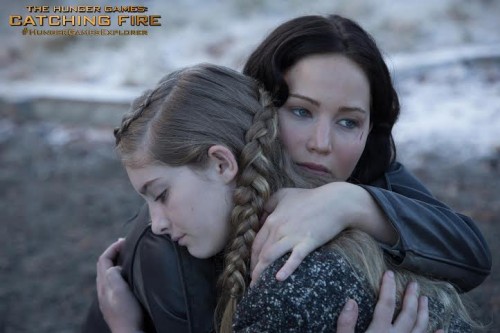
Catching Fire sisters


This is a guest post by Caroline Siede.

While this will probably be remembered as the “Winter Of The Polar Vortex,” it’s also fair to call it the “Winter Of The Feminist Blockbuster.” Grossing a combined total of more than $700 million domestically, Catching Fire and Frozen have definitively proven that films with female leads can attract a major audience. Even better, they’ve inspired think pieces about everything from Katniss’ movie “girlfriend” to queer readings of Elsa. Yet as I cheered on the strong ladies at the center of both films, I couldn’t help but notice something troubling. While Catching Fire presents a diverse supporting cast, Frozen rounds out its ensemble with a disappointing parade of white, male characters.

Geena Davis’ Institute On Gender In Media recently commissioned a study that concluded that for every female-speaking character in a family-rated film, there are roughly three male characters. Davis explains, “We are in effect enculturating kids from the very beginning to see women and girls as not taking up half of the space.” Like many films before it, Frozen subtly suggests that the only women who deserve screen time are the ones with exceptional stories. Men, on the other hand, don’t need to be extraordinary to appear on screen; their maleness is justification enough for their presence. Davis’ study determined that while women make up roughly 50% of the population, most crowd scenes contain only 17% of female characters.

Frozen sisters
Frozen sisters


Don’t get me wrong I adored Frozen. I’ve had the soundtrack on repeat since I saw it a few weeks ago, and I’m fully prepared to perform a karaoke duet of “Love Is An Open Door” at the drop of a hat. But for all of its feminist subversion, Frozen’s supporting cast falls in line with Davis’ study. Despite its dual female protagonists, men still outnumber women: There’s a wise Troll King, a repressive father, a brave ice cutter, a friendly shop owner, a scheming prince, a manipulative dignitary, an open-hearted snowman, and a dog-like reindeer. Men aren’t limited to being good or bad, heroes or villains, rich or poor; they are all of these things. Women, however, are almost entirely absent from supporting roles. Elsa and Anna’s mother remains silent and inactive while her husband takes control, a female troll gets a brief solo, and a townswoman delivers a line or two to Elsa. As far as I can recall, these are the only supporting women of note, and I’m really stretching it with that townswoman.

And in case you didn’t notice, there are also no women (or men) of color in Frozen. Some are quick to claim it would be historically inaccurate to depict racial diversity in the film’s medieval Scandinavian setting. Putting aside the ice powers, anthropomorphized reindeer, and magical trolls for a moment—Arendelle is depicted as a major trading city with ties to countries around the world. It seems perfectly logical that it would be a bustling metropolis with a diverse population. And to be perfectly frank, the benefit of a child of color seeing herself represented onscreen far outweighs the danger of someone being confused about the demographics of Scandinavia.

Catching Fire tributes


It’s difficult to say whether Frozen’s creators subconsciously mimicked the gender and racial disparity we’ve become accustomed to onscreen or whether the white male-dominated world was an intentional choice meant to keep the focus on Anna and Elsa. (After all, audiences are used to seeing white men as business owners and dignitaries so there’s no need to justify their appearance in these roles. Perhaps the creators feared a female shop owner would be too much of a distraction.) Either way, the homogenized supporting cast feels like a huge oversight for a film that otherwise goes out of its way to craft a feminist story. Frozen subverts Disney clichés, celebrates female friendship, and even promotes asking for consent as an act of romance (swoon!), but it utterly fails when it comes to creating a world that accurately reflects our own. Perhaps most frustrating, it would have been so, so easy to improve representation. Make the Troll King a Troll Queen. Make Anna and Elsa’s mother the active parent. Make the shop owner a black woman. Make Kristoff an Asian man who traveled to Arendelle yet never quite fit in. Make half of the visiting dignitaries women. And heck, make some of those female dignitaries corrupt, just as the men are allowed to be!

Frozen dignitaries
Frozen dignitaries


If Frozen required a template, it need only look to the winter’s other female-driven powerhouse film, Catching Fire. In fact, the entire Hunger Games franchise seems to deliberately demand diversity. The parameters of the titular Games require each District to send one male and one female tribute, a fictional mandate that matches nicely with Davis’ suggestion that writers dictate all crowd scenes contain 50% women. There are still more male characters overall, but it’s a huge step in the right direction for gender parity onscreen.

In addition to everyone’s favorite bow-and-arrow wielder (sorry Legolas), Catching Fire depicts a beautifully varied array of female characters. There’s the vapid, wealthy women of the Capitol; the hardworking, poor women of District 12; Katniss’ emotionally-fragile mother; aggressive Johanna; tech-savvy Wiress; vicious Enobaria and Cashmere; old but brave Mags; young but brave Prim; Snow’s impressionable granddaughter; Rue’s stoic mother; the drug-addicted tribute from District 6; and a career-driven socialite named Effie Trinket. Even better, many of these characters have agency and arcs of their own. Effie slowly learns to question the society she once worshipped, and her growth is one of the most moving elements in an all-around exceptional film. Effie’s subtle resistance to the Capitol is a foil to Katniss’ aggressive frustration—an acknowledgement that women can show strength in many ways, not just through traditionally masculine pursuits like hunting and fighting.

Effie Trinket


Though Catching Fire is still predominately white—and the whitewashing of Katniss is problematic—it does take some important steps to represent racial diversity. Beetee (Jeffrey Wright), Cinna (Lenny Kravitz) and Rue (Amandla Stenberg) are not only essential characters of color; they effortlessly defy the racial stereotypes of aggressive black men and sexualized black women that too often fill our screens. The film could and should present more persons of color, but it’s certainly an improvement over Frozen’s all-white ensemble.

So does all this mean Catching Fire is a more feminist film than Frozen? Of course not. Representation is just one way we can examine feminism onscreen. Simply counting up the number of women will not indicate how well written they are or how actively they impact the story. Like the Bechdel test—which both films pass, by the way—representation is one feminist lens. But it is an important one. As Davis asks, “Couldn’t it be that the percentage of women in leadership positions in many areas of society — Congress, law partners, Fortune 500 board members, military officers, tenured professors and many more — stall out at around 17 percent because that’s the ratio we’ve come to see as the norm?”  Couldn’t Frozen’s homogenized world teach its audience that women are only worthy if they are “exceptional”?

Frozen shop owner
Frozen shop owner


Frozen just took home the Golden Globe for Best Animated Feature, and I’m thrilled that such an overtly feminist film has been embraced by mainstream culture. It’s especially exciting because Frozen has not one, but two female leads, and both of these ladies are wonderfully nuanced and complex. So let’s continue to celebrate Frozen and Catching Fire for everything they get right. Let’s use Elsa, Anna, and Katniss as examples of fantastic female protagonists who are allowed to be both strong and weak. Let’s demand positive female relationships like the ones between Elsa and Anna or between Katniss and Prim. But let’s also continue to point out flaws in the films we love. Let’s demand more representation of women from all walks of life, not just brave, pretty heroines. Let’s demand more representation of persons of color. Most importantly, let’s demand more fully realized human beings onscreen, especially ones who just happen to be ladies.


Caroline Siede is a freelance writer living in Chicago where the cold never bothers her anyway. She frequently contributes to The A.V. Club and documents her experiences in the city on her blog Introverted Chicago. When not contemplating time travel paradoxes, she often tweets sarcastic things @CarolineSiede.


Seed & Spark: What If?

It’s been a big season for African American cinema. With movies such as ’12 Years A Slave,’ ‘The Butler,’ ‘Fruitvale Station,’ and ‘Best Man Holiday,’ a shift was felt in audiences going to the movies that hasn’t been felt before. But what about a woman’s place in the realm of films starring women of color as protagonists?

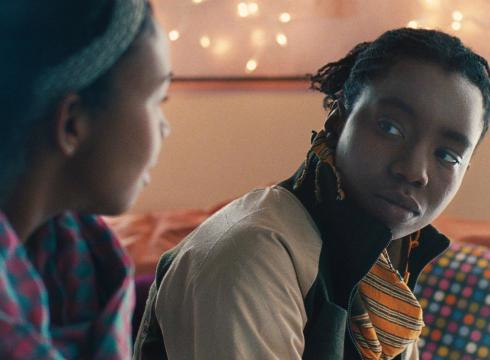
Adepero Oduye in Pariah


This is a guest post by Eljon Wardally.

It’s been a big season for African American cinema. With movies such as 12 Years A Slave, The Butler, Fruitvale Station, and Best Man Holiday, a shift was felt in audiences going to the movies that hasn’t been felt before. But what about a woman’s place in the realm of films starring women of color as protagonists?

tumblr_mrox9eEX3F1r0320so1_500

While the films I mentioned have supporting women, there are no protagonists who are women of color. Where are they? Besides Mother of George, can you name a film from this year where the main character was a woman of color? What if we turned some of this year’s blockbuster hits into stories about women of color? What would Fruitvale Station be if Oscar Grant was a woman? (Spoiler alert. Don’t read ahead if you want to know what happens!) Would the film have started as it did with Oscar’s death? As an audience, if we see a woman die a violent death at the start of a film, we are a little more than taken aback. It sets the tone for the entire film, one that is very different from the death of a male. Even though this was real event, the director may not choose to see it play out the way it did. One could argue that a gunshot would just be heard, not shown and while female Oscar may have had the same day and lived the same life as male Oscar, the director may have chosen to tell a different story. Female Oscar would have stopped for the dead dog on the road next to the gas station and cried profusely. She would have stroked his hair. Would female Oscar have been as rugged looking or portrayed as a sex symbol? The actress playing her would probably be fit and toned with hair shiny and done. This is what Hollywood would focus on. I can see her now gracing the cover of Entertainment Weekly and People, hair blowing in the wind with the focus on why she took the part rather than what the story is. Oscarella sold drugs but she’s doing it for her family, for her daughter, so she wouldn’t have the same life she did. Does that message come across clearer because she’s a Mother and not a Father? Personally, I automatically feel more sympathetic to her doing it for her kid because she’s a Mother which is something I didn’t feel for Oscar in Fruitvale Station. Oscarella would still cheat, but audiences would look at her differently. I don’t recall anyone focusing on male Oscar being a cheater in the film. Would the message of mistreatment and tragedy over a senseless murder reign supreme or would we be taken by the other themes in the film?

Danaii Gurira in Mother of George


What if The Butler was called The Maid, would you watch it or do audiences feel as though they know that story already? Cecilia wouldn’t be the focus because Cecilia is the main breadwinner of the family. No one wants to feel for the wife of a drunk husband for almost three hours in a theater that smells like stale popcorn and flat soda. Why don’t audiences want to see films with women of color as protagonists? Where are our stories? We are compelling and we have more to offer. I would like to see more films that didn’t focus on a woman who was heartbroken over love, looking for love, or scantily clad for 80% of the film. I long to see these break through into mainstream theaters and have big producing backers and become so successful they blow the minds of just about everyone! So where are they? It’s not as though there isn’t a lack of talent. Bring on more films like Frances Ha, more films like Philomena with a Latina, Black or Asian woman as the star! Why aren’t these stories being told and why aren’t they being marketed? Companies are so afraid to break out of the norm that steps are tiny. They are afraid that audiences wouldn’t go to see a Frances Ha starring someone they aren’t used to seeing on the big screen. Curiosity doesn’t outweigh what they are used to watching in a theater for two hours. “Is it worth my $15 risk?” they must be thinking; same story, different skin tone. Again, I bring up the African American film market. This season has brought a surge of films, some good and some bad but the point is that these films are out into the mainstream world, something no one could say 10 years ago or even 5 years ago. The same comes for leading ladies of color in film. The surge is coming. Our women of color protagonists are not going to lay low and go quietly forever. Film festivals are full of these masterpieces. We are on the cusp of an upswing. I see the rise coming . I see more films like Pariah and Middle of Nowhere in the future and I can’t wait to sit in a theater with the snack that I smuggled in from home, taking in stories where a woman of color is the star.


Eljon

Eljon Wardally is a Playwright and Screenwriter living in New York City. She holds a BA in Communications and Culture from Clark University and will graduate with her MFA in Playwriting from Fordham University in May 2014. Eljon is the writer of the award winner short Docket 32357 which is now being turned into a Docket 32357- the series which was successfully crowdfunded on Seed&Spark. She’s currently obsessed with The Twilight Zone, The Golden Girls, and American Horror Story.

2014 Academy Award Nominations

Check out the 2014 Oscar Nominees and our feminist commentary!

oscar.jpeg

Best Picture

American Hustle

Nebraska

Captain Phillips

Philomena

Dallas Buyers Club

12 Years a Slave

Gravity

The Wolf of Wall Street

Her


Best Actress

Amy Adams, American Hustle

Judi Dench, Philomena

Cate Blanchett, Blue Jasmine

Meryl Streep, August: Osage County

Sandra Bullock, Gravity


Best Actor

Christian Bale, American Hustle

Chwetel Ejiofor, 12 Years a Slave

Bruce Dern, Nebraska

Matthew McConaughey, Dallas Buyers Club

Leonardo DiCaprio, The Wolf of Wall Street


Best Supporting Actress

Sally Hawkins, Blue Jasmine

Julia Roberts, August: Osage County

Jennifer Lawrence, American Hustle

June Squibb, Nebraska

Lupita Nyong’o, 12 Years a Slave


Best Supporting Actor

Barkhad Abdi, Captain Phillips

Jonah Hill, The Wolf of Wall Street

Bradley Cooper, American Hustle

Jared Leto, Dallas Buyers Club

Michael Fassbender, 12 Years a Slave


Best Animated Feature Film

The Croods

Frozen

Despicable Me 2

The Wind Rises

Ernest & Celestine


Best Director

David O. Russell, American Hustle

Alfonso Cuarón, Gravity

Alexander Payne, Nebraska

Steve McQueen, 12 Years a Slave

Martin Scorsese, The Wolf of Wall Street


Best Documentary

The Act of Killing

Cutie and the Boxer

Dirty Wars

The Square

20 Feet from Stardom


Best Foreign Language Film

The Broken Circle Breakdown

The Great Beauty

The Hunt

The Missing Picture

Omar


Upcoming Theme Weeks for 2014

If you’d like to submit to one of our theme weeks, please see our Submission Guidelines.

If you’d like to submit to one of our theme weeks, please see our Submission Guidelines.


January: Representations of Sex Workers

Deadline to receive submissions: Friday, January 24.

Pretty_Womanloverboy_ver2leaving_las_vegas_ver1


February: Women and Work/Labor Issues

Deadline to receive submissions: Friday, February 21.

north_countrynorma_rae_ver2working_girl


March: The Great Actresses

Deadline to receive submissions: Friday, March 21.

annex20-20hepburn20katharine_17bette_davisIngrid_Bergman_1940_publicity


April: Rape-Revenge Fantasies

Deadline to receive submissions: Friday, April 18.

teeth_ver2last_house_on_the_lefti_spit_on_your_grave_ver2


May: Representations of Female Sexual Desire

Deadline to receive submissions: Friday, May 23rd.

fish_tank_ver2pariahsomethings_gotta_give


June: Children’s Television

Deadline to receive submissions: Friday, June 20th.

sesame_street_wallpaper_1278413620mylittlepony_splash_2048x1536_en iCarly-Trio-3-icarly-24621966-1280-800


July: Movie Soundtracks

Deadline to receive submissions: Friday, July 18.

TheBodyguardSoundtrackbig-chill_STghost_world_wallpaper_by_raven_pryde-d4g52fy


August: The Brat Pack

Deadline to receive submissions: Friday, August 22.

Brat+Pack+Collagebreakfast-club-2PrettyInPink_ST


September: Female Friendships

Deadline to receive submissions: Friday, September 19.

The_Color_Purple_poster intro1thelandlou1


October: Demon/Spirit Possession

Deadline to receive submissions: Friday, October 24.

MV5BNzYwMDA0NTA3M15BMl5BanBnXkFtZTcwMDcwNDY3Mg@@._V1_SX640_SY720_MV5BNDc4Mjk2MjA0NF5BMl5BanBnXkFtZTcwMzMyNjQ3Mw@@._V1_SX214_onesheet


November: The Terror of Little Girls

Deadline to receive submissions: Friday, November 21.

Silent_hillthe-shining-originall_298130_e35503e6


December: Reality Television

Deadline to receive submissions: Friday, December 19.

the-bachelorettebiggest-loser-logo1vibe-vixen-basketball-wives-logo

Bitch Flicks’ Weekly Picks

Check out what we’ve been reading this week–and let us know what you’ve been reading/writing in the comments!

recommended-red-714x300-1

Laverne Cox flawlessly shuts down Katie Couric’s invasive questions about transgender people by Katie McDonough at Salon

7 Movies That Changed Your Political Views, According to Science by Asawin Suebsaeng and Chris Mooney at Mother Jones

A Way to Stop Abortion Threats, Get Women Behind the Camera: As Directors, Writers, and Cinematographers by Ariel Dougherty at Media Equity

Stomaching “Girls”: Why I Regained an Appetite for the Show’s Third Season by Kerensa Cadenas at Bitch Media

Are TV Networks Fully Realizing The Ratings & Profit Potential In Producing Content for Black Women? by Tambay A. Obenson at Shadow and Act

Meryl Streep attacks Walt Disney on antisemitism and sexism by Ben Beaumont-Thomas at The Guardian

“Catching Fire” Is The First Film With A Female Lead To Top The Annual Box Office In 40 Years by Adam B. Vary at Buzzfeed

“SNL’s” best move yet: Hiring black female writers by Carolyn Edgar at Salon

“Am I Crazy for Even Considering This?” Stuntwoman Zoë Bell Says, “Yes,” Then Does It Anyway by Matt Zoller Seitz at MZS. at RogerEbert.com

Amy Poehler and the ‘Broad City’ Team Demonstrate Why ‘Television’s Such a Great Medium for Women’ by Alison Willmore at IndieWire

Joseph Gordon-Levitt on Being a Feminist on ellen

2013 Was A Good Year For Women In Movies. What Will 2014 Hold? by Megan Gibson at TIME

Golden Globes by gender: where are all the women? by Clara Guibourg at The Guardian

Watch the Athena Film Fest 2014 Trailer by Inkoo Kang at Women and Hollywood


What have you been reading/writing this week? Tell us in the comments!

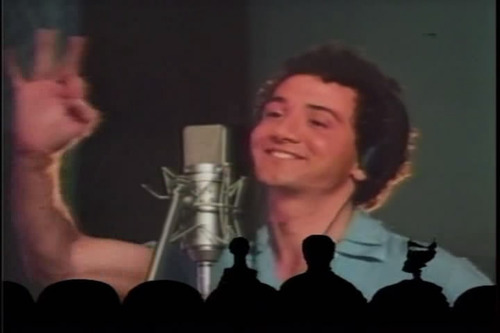
‘The Pod People’: Sympathy for Trumpy’s Mom

So bad men and flawed women are killed, and ultimately, the alpha male uses violence to save his woman-property (Sharon), the chaste mother, and the child. Pod People would be just another 80’s Spanish mockbuster if not for one glimmer of a redeeming female character: Trumpy’s mother. Compelling female monsters are rare; most tend to be some variation of the sexy flawed woman, the sexy vampire/succubus, or the sexy space woman. Trumpy’s mom doesn’t fit the sexy cliché.

Written by Andé Morgan.

I was born in the 80’s, and the 80’s are in me. When I hear that harem pants are back, I’m all like “XXL in gold lamé, please.” Watching a bad 80’s science fiction movie is like being born again: loud, frightening, painful, and (ultimately) so worth it. From Escape From New York to Robocop, cheesy 80’s movies have an essential optimism that often defies the best dark intentions of their screenwriters and production designers. Maybe this was due to subconscious anticipation of the “digital cinematography” revolution? Of course, 80’s movies also often contain a startling amount of misogyny, sexism, chauvinism, homophobia, and racism. This is unfortunate, but useful in its own way. Just as negative space is useful for defining an object, bad movies are useful for defining what a good movie isn’t. The Pod People is a negative space movie.

You may be familiar with Pod People from the third season of Mystery Science Theatre 3000 (ep. 0303, really the best way to watch it). Originally released as Los Nuevos Extraterrestres in Spain in 1983, Pod People answers the question: what if E.T., but they’re a psychopath? Directed by Juan Piquer Simón and starring a smorgasbord of European actors, this movie is ranked #28 on IMDB’s Bottom 100 list.

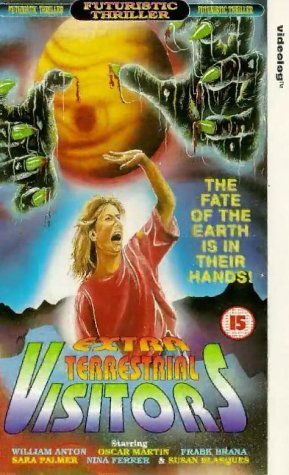
The Pod People movie poster


The film open on several men (poachers, we learn hours and hours and hours later) driving into the woods to poach. A bright light streaks across the sky and crashes to Earth, prompting one of the men to investigate (on his own, of course). He finds a cave glowing with unholy red light; inside he finds a clutch of large eggs. Inexplicably offended, he proceeds to destroy them, but is slain by a POV monster before the last, portentous, egg can be smashed.

Tommy (Óscar Martín) is a child living in isolation in the forest with his subservient mother Molly (Concha Cuetos) and his curmudgeonly uncle, Bill (Manuel Pereiro). While out collecting bugs, he finds the cave and brings the  surviving egg home. The egg hatches and overnight the spawn grows as large as Tommy. He names it “Trumpy” because it looks like an abbreviated elephant. Trumpy impresses Tommy with some bootleg E.T. stop-motion psychokinesis. Meanwhile, Rick (Ian Sera) and his so-called bandmates Brian (Emilio Linder), Kathy (Sara Palmer), Sharon (Nina Ferrer), and Tracy (Maria Albert) stop at Tommy’s house for help after honorary band member Lara (Susanna Bequer) is injured in a fall while running from Mother Monster.

Trumpy’s mom soon goes on to kill another poacher, as well as  bandmates Brian and Tracy. Eventually, Trumpy’s mother sneaks into the house and kills Kathy while she’s taking a shower. Summoned by the screaming, Bill wounds Trumpy’s mom with a rifle. The remaining men pursue the alien as she retreats to the woods. Trumpy, hiding through all this, then reappears in the house, frightening Molly and Sharon . Molly tries to shoot Trumpy, but Tommy shields the alien while they exit out the back door. Molly and Sharon follow Tommy into the woods. Trumpy and his mother have a quick reunion before she is shot to death by Rick (at least she gets to kill Bill first). Trumpy recedes into the bush, and the survivors return to the cabin. The end.

Like I said, this was a bad movie. It featured poor lighting, creepy dubbing, questionable continuity, and jarring scene changes. I will say that it’s amazing the they were able to make Trumpy and his mother so damned creepy on such a low budget.

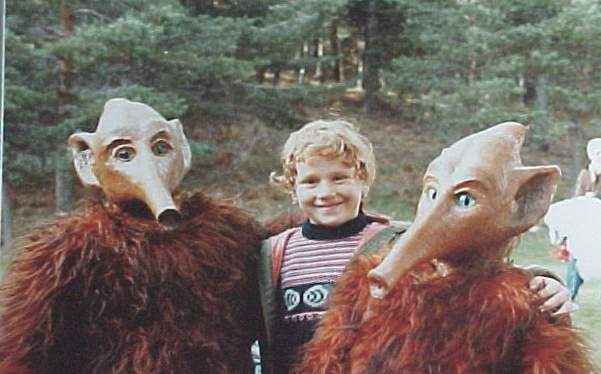
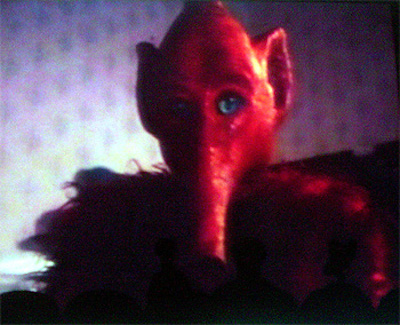
Trumpy
Trumpy


Unexpectedly, the movie actually passes the Bechdel test. Technically. Midway through, Tracy and Molly share a scene where they discuss cooking. However, since this dialogue occurs in the context of a conversation about attracting men, one might argue that it doesn’t count. Later, there is a short bit of dialogue where Sharon admonishes Kathy against taking a shower while a killer is on the loose (a good idea, it turned out).

Pod People is a trove of clichéd horror and alien movie tropes, and this certainly applies to the portrayals of the female characters. We see Molly, the subservient mother figure, focused entirely on caring for the Man, Uncle Bill (Her brother? Her late husband’s brother? Some guy? Thanks for the help, movie) or the Child, Tommy. Her chaste devotion keeps her upright through the last frame. By contrast, Lara the Slut/Rich Bitch is depicted as a grown woman with the mind of child, which makes the earnest delivery of her sex-focused dialogue extra creepy. She shows no guilt over insinuating herself into camping trip for the sole purpose of sexy times with Rick, even though she knows that Sharon (Rick’s girlfriend) will be there and is not about that polyamory life. Of course, as punishment for her entitlement and sluttery, Lara is the first of the bandmates to die.

Tracy is the Ugly Girl/Odd Duck. Unlike the other women, she is not paired up with a male character, and spends almost all of her screen time lamenting about how she can’t attract a man. She meets her end in the back of a motorhome, while Tommy looks on through a telescope. It was an unsettling scene to watch. Even the crew of the SOL note that Tracy’s death scene seems…rapey. After the screaming and gyrations subside, her lifeless body is thrown from the camper like so much trash. Kathy’s death, by way of an extraterrestrial POV variation on the Psycho-Shower scene, is less disturbing but leaves another young, female character just as dead.

Sharon survives. Throughout the movie she is little more than a prop, prone to arguing and alternatively pursued or spurned by Rick. If the first act, when she learns the Lara will be coming on the camping trip, there is a scene where Rick silences her protests by grabbing her upper arms with his meat hooks and forcible pulling her in for kiss. Simón probably this would come across as romantic, because women love to be sexually assaulted, right?

So bad men and flawed women are killed, and ultimately, the alpha male uses violence to save his woman-property (Sharon), the chaste mother, and the child. Pod People would be just another 80’s Spanish mockbuster if not for one glimmer of a redeeming female character: Trumpy’s mother. Compelling female monsters are rare; most tend to be some variation of the sexy flawed woman, the sexy vampire/succubus, or the sexy space woman. Trumpy’s mom doesn’t fit the sexy cliché. Understandably angry about the mindless murder of her unborn progeny, her initial attempts at contact with humanity are met with screams and violent gestures. It’s no wonder she lashes out. She’s a strikingly sympathetic character, and I found myself rooting for her to just nuke the whole planet from orbit. Maybe in the sequel, Pod Peoples?


Andé Morgan writes about culture, politics, race, and LGBTQ issues. Her perspective stems from a life spent always on the boundary: white and black, rich and poor, masculine and feminine. She takes shelter under the transgender umbrella.

Check out her blog, NoAccommodation, and tweets at @noaccommodation and @andemorgan.